
The Student-Athlete Schedule: How Canadian Women’s Basketball Players Balance It All
It’s 6:00 a.m. in Ottawa, and a Canadian university player is already in the gym, getting up shots before her 9:30 lecture. By noon she’s written a midterm, by 3:00 p.m. she’s in a film session breaking down her last game, and by 8:00 p.m. she’s back at the library grinding through a lab report. So how does anyone actually manage all of this? We’ve watched Canadian women’s basketball players do it season after season, and the honest answer is that it takes structure, support, and a lot of small habits that add up. Here’s how the student-athlete schedule really works north of the border and south of it.
The Daily Grind: What a Student-Athlete Schedule Actually Looks Like
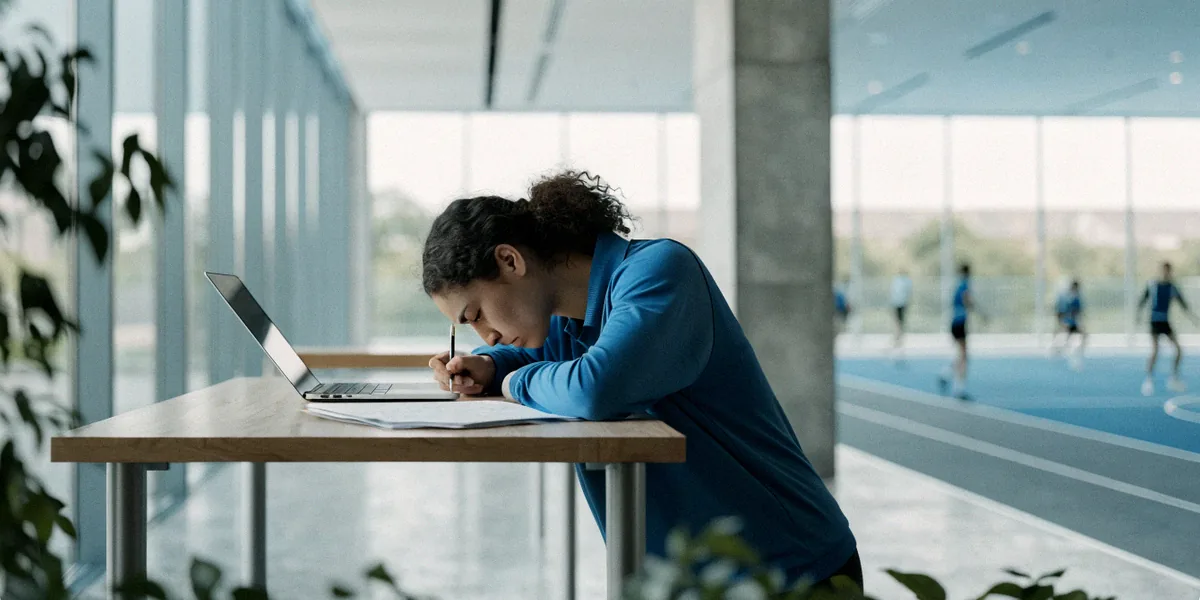
A typical day for a Canadian women’s basketball player is less about balance and more about choreography. Every hour has a job, and the players who thrive are the ones who treat their calendar like a playbook. Whether they’re competing in U Sports — the national governing body for university athletics in Canada — or in the NCAA, the rhythm of the day looks surprisingly similar.
Morning Workouts and Shooting Drills
Mornings belong to individual development. Many players book gym time before campus wakes up, knocking out shooting drills and ball handling while their legs are fresh. A 6 a.m. session might include form shooting, free throws, and finishing work before a quick breakfast and a sprint to class.
Classes, Labs, and Study Hall
Between 9 a.m. and 3 p.m., the athlete becomes a full-time student. That could mean a statistics lecture, a chemistry lab, or a tutorial that runs long. Many programs require monitored study hall hours, especially for first-years, which means logging time in an academic centre even on days when practice already wiped them out.
Afternoon Practice and Film Sessions
Afternoon practice typically runs two to three hours and includes warm-ups, skill work, team concepts, and conditioning. Then comes film: breaking down opponents, reviewing mistakes, and learning tendencies. For players in demanding programs, film can add another hour to an already packed day.
Evening Recovery and Homework
Evenings are for treatment, stretching, and — for most players — more homework. Ice baths, foam rolling, and physio appointments are as scheduled as any lecture. Then it’s back to the books, often late into the night.
NCAA vs. U Sports: How the Schedule Differs for Canadian Players
Canadian players have two main pathways: stay home and compete in U Sports, or head south to the NCAA. Both are demanding, but the texture of the schedule is different.
NCAA Travel and Time Zone Challenges
NCAA Division I women’s basketball programs often have rigorous travel schedules across the United States. A single week might include a Thursday game in one time zone and a Sunday game three states away. For Canadian players, that means missed classes, compressed study time, and constant adjustment to new environments.
U Sports Academic Integration
In U Sports, the schedule is typically more regionally focused, which makes it easier to stay on top of coursework. Schools like Carleton University in Ottawa have built strong women’s basketball programs that integrate academic support directly into the athlete experience.
Eligibility and Transfer Considerations
Eligibility rules differ significantly. NCAA transfers face strict rules around the transfer portal and residency, while U Sports has its own eligibility framework tied to years of post-secondary study. Canadian athletes weighing both paths should understand these rules before committing.
Balancing Basketball and Books: Academic Strategies That Work
The players who survive four years of this do it with systems, not willpower alone. Here are the strategies we hear most often from Canadian student-athletes.
Time Blocking and Prioritization
Successful student-athletes block their week in advance, treating study sessions like practices. Assignments get colour-coded, deadlines get mapped to game days, and the hardest tasks land on lighter training days.
Using Athletic Academic Support
Most programs offer dedicated academic advisors for athletes. These advisors help with course selection, tutor coordination, and negotiating extensions when travel conflicts arise. Schools like the University of British Columbia and Carleton University both run robust support systems.
Communicating with Professors
Early, honest communication with professors goes a long way. Players who introduce themselves in the first week and share their game schedule tend to get more flexibility when conflicts come up.
- Block study time weekly, not daily
- Front-load assignments before road trips
- Use athletic academic advisors early and often
- Email professors at the start of each term
- Study in groups with teammates to stay accountable
Training Smart: Shooting Drills and Skill Work Around a Busy Schedule
When you only have 45 minutes in the gym, every rep counts. Smart players build routines that maximize efficiency rather than volume.
Efficient Shooting Drills for Tight Schedules
The Mikan drill is a classic basketball drill for improving footwork and finishing around the rim, and it works perfectly in short sessions. Pair it with catch-and-shoot reps off the move, free throws under fatigue, and one-dribble pull-ups. Twenty focused minutes can outperform an hour of aimless shooting.
Off-Season and Summer Development
Summer is where real growth happens. Canadian players often return home, train with club coaches, and use the off-season to add new skills before fall camp.
Preparing for Pro Basketball Overseas
Players with pro basketball overseas aspirations use their final university years to build a highlight reel, sharpen a specific skill, and get on agents’ radars. Extra shooting sessions aren’t just about the next game — they’re about the next chapter.
The Mental Game: Avoiding Burnout and Staying Motivated
The student-athlete schedule is relentless, and burnout is real. We’ve seen talented players step away because they ignored the warning signs.
Recognizing Burnout
Watch for persistent fatigue, loss of joy in the game, declining grades, and withdrawal from teammates. These aren’t weaknesses — they’re signals.
Building a Support System
Teammates, coaches, family, and counsellors all matter. Kids Help Phone is a Canadian mental health support service available 24/7, and most universities offer free counselling to student-athletes.
Mindfulness and Recovery Techniques
Breathing exercises, journaling, and proper sleep hygiene help reset the nervous system. Recovery isn’t lazy — it’s part of the job.
Life After the Final Buzzer: Transitioning from Student-Athlete to Pro
Graduation doesn’t end the journey for players chasing professional careers. It just changes the game.
Preparing for Pro Tryouts
Tryouts demand peak conditioning, a clear role, and film that shows what you do well. Agents help players target the right leagues and teams.
Navigating Overseas Contracts
Contracts overseas vary widely in pay, housing, and duration. Reading the fine print and working with a reputable agent is essential.
Staying Connected to Canadian Basketball
Many players return home in the off-season to train, coach, and mentor the next generation. Staying plugged into Canadian basketball keeps the pipeline strong.
Yes, the student-athlete schedule is brutal. But it builds resilience, discipline, and time management skills that serve Canadian women’s basketball players long after their final buzzer sounds.
FAQ
Can Canadian players compete in the NCAA and still play for Team Canada?
Yes. Plenty of Canadian women’s basketball players have competed in NCAA programs while representing Canada internationally. Scheduling and eligibility just need to be coordinated with the national program.
Is U Sports less demanding than NCAA Division I?
Not necessarily less demanding — just different. U Sports travel is usually shorter, but the academic and athletic workload is still significant. NCAA Division I programs often have more intense travel schedules across the United States.
How do student-athletes fit in shooting drills during the season?
Most fit them into early morning sessions or short pre-practice windows. Efficient drills like the Mikan series and catch-and-shoot reps make limited gym time count.
What mental health resources exist for Canadian student-athletes?
University counselling services are the first stop for most players. Kids Help Phone is also available 24/7 across Canada for anyone who needs immediate support.
When should a player start preparing for pro basketball overseas?
Ideally in the final two years of university. Building film, connecting with agents, and sharpening a specific skill set all help with overseas opportunities.



Post Comment