
Canada’s Senior Women’s National Team: The Backbone of Canadian Basketball
If you’ve been following women’s basketball closely over the past few years, you already know the Canadian Senior Women’s National Team has been turning heads. A bronze medal at the 2022 FIBA Women’s World Cup. Competitive runs at the Olympics. A roster stacked with WNBA talent and rising NCAA stars. But what makes this group tick? It’s not just raw talent — it’s the pipeline, the preparation, and the culture that’s been built from the ground up. Let’s break down the roster, the development systems, and the drills that keep Canada competitive on the world stage.
Who Wears the Maple Leaf: Roster and Key Contributors
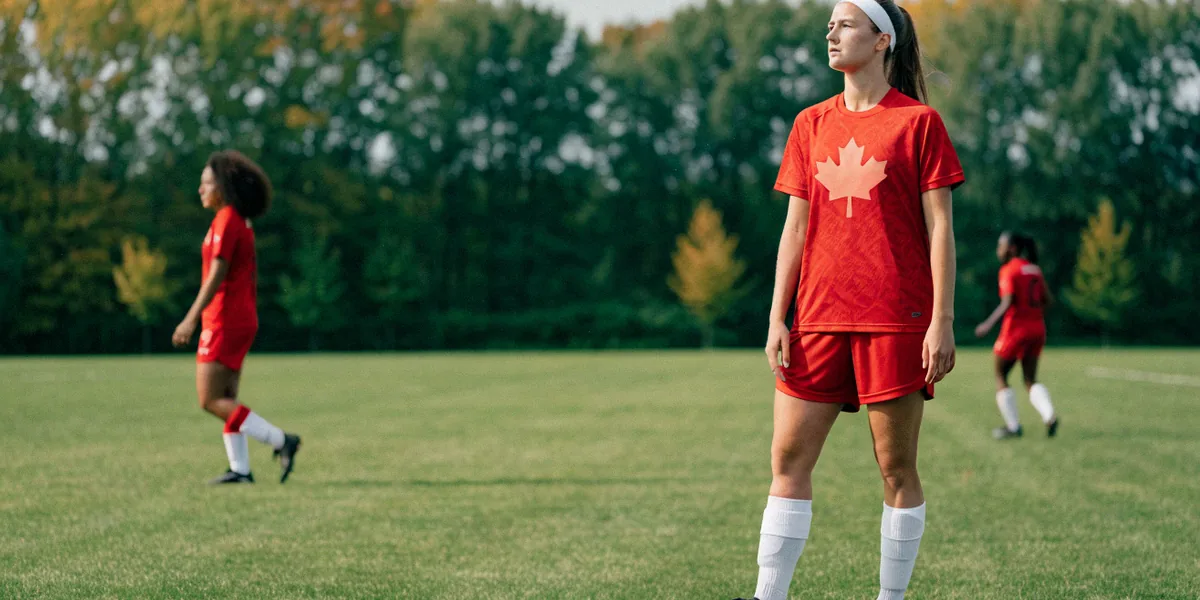
Canada’s senior women’s roster blends seasoned pros with hungry young players eager to make their mark. The mix of experience and energy is what gives this team its edge in international competition.
Veteran Leaders and Their Impact
Kia Nurse is a two-time WNBA All-Star and key leader for Canada, and her presence on the floor sets the tone for the entire squad. Whether she’s knocking down threes or organizing the offense under pressure, Nurse brings a level of composure that comes from years of competing against the best in the world.
Bridget Carleton won an NCAA championship with Iowa State and plays in the WNBA, bringing a versatile scoring touch and defensive intensity that Canadian fans have come to rely on. Her ability to stretch the floor and guard multiple positions makes her invaluable in FIBA play.
Natalie Achonwa has played in the WNBA and overseas in Italy and France, and her leadership in the paint is unmatched. She’s the kind of player who does the little things — setting screens, crashing the boards, communicating on defense — that don’t always show up in the box score but win games.
Next-Gen Talent Breaking Through
The next wave of Canadian talent is already making noise. Players coming out of top NCAA programs and earning professional contracts overseas are pushing for roster spots and minutes. This competition for places is exactly what keeps the national team sharp.
- Guards with elite court vision emerging from Power Five conferences
- Forwards developing three-point range to fit the modern international game
- Post players learning to defend without fouling against bigger opponents
The NCAA Pipeline: How Canadian Women’s Basketball Feeds the National Team
The NCAA remains one of the most important development pathways for Canadian women’s basketball. Top programs like UConn, South Carolina, and Oregon actively recruit Canadians, and that exposure to high-level competition prepares players for the physicality and speed of international play.
Top Canadian Prospects in the NCAA
Every year, more Canadian women earn scholarships to Division I programs. These players face elite competition night in and night out, which accelerates their development in ways that domestic leagues alone can’t replicate. The transition from college ball to the national team is smoother when you’ve already been guarding future WNBA draft picks.
Success Stories from College to Country
Carleton’s journey from Iowa State to the WNBA and the national team is a perfect example of how the NCAA pipeline works. She developed her all-around game in college, learned to perform in big moments, and carried that confidence into her professional and international career. Similar stories are unfolding right now with younger Canadians earning bigger roles at their respective schools.
Pro Basketball Overseas: Where Canadians Hone Their Craft
After college, many Canadian players head overseas to compete in some of the strongest leagues in the world. Spain, France, Italy, and Turkey offer competitive salaries and high-level basketball that keeps players sharp during the WNBA offseason.
Key Leagues and Teams
The Spanish Liga Femenina and the French Ligue Féminine are particularly popular destinations for Canadians. Achonwa’s time in Italy and France gave her a deeper understanding of European-style basketball — the ball movement, the physical defense, the tactical discipline — that translates directly to FIBA competitions.
- Spain: Fast-paced league with strong tactical coaching
- France: Physical play and deep rosters
- Italy: Emphasis on fundamentals and team defense
- Turkey: Competitive salaries and EuroLeague exposure
Balancing Club and Country Commitments
One of the biggest challenges for Canadian players is managing club obligations with national team windows. FIBA qualifying tournaments often overlap with league schedules, forcing players to make tough decisions. The best programs work with players to ensure they can represent Canada without jeopardizing their professional careers.
Shooting Drills and Skill Development: Inside Canada’s Training Regimen
The team trains at the Canadian Sport Institute Ontario in Toronto, where players work on everything from shooting mechanics to defensive rotations. The focus is on building habits that hold up under pressure.
Core Shooting Drills We Love
Shooting is the great equalizer in international basketball. Canada’s coaching staff emphasizes repetitive, game-speed drills that simulate real match conditions.
- Catch-and-shoot: Players sprint to a spot, receive a pass, and shoot in one motion — mimicking closeouts and kick-outs.
- Off-dribble pull-ups: One or two dribbles into a jumper, working on balance and footwork.
- Free throws under fatigue: Shooting foul shots after conditioning to simulate late-game pressure.
- Closeout drills: Defenders close out while shooters work on shot fakes and side-step threes.
How Coaches Build Basketball IQ
Beyond shooting, the staff focuses on decision-making. Film sessions, walkthroughs, and small-sided games help players recognize defensive schemes and make quicker reads. The goal is to develop players who can adapt on the fly — a must when facing teams like the USA, Australia, and Spain.
Challenges and Opportunities: The Road Ahead for Canada’s Senior Women
Canada has established itself as a top-tier program, but staying there requires overcoming real challenges. Funding, roster depth, and fierce competition from global powers are constant factors.
Funding and Support for Women’s Basketball
Women’s basketball in Canada has historically received less funding and media coverage than the men’s game. Increased investment — from grassroots to professional levels — is essential to keep the pipeline flowing. Sponsorships, better facilities, and more national team training camps all contribute to sustained success.
Keys to Medaling on the World Stage
To consistently medal at FIBA tournaments and the Olympics, Canada needs to:
- Develop more depth at the guard and post positions
- Improve three-point shooting consistency
- Gain more experience against top-tier opponents in exhibition play
- Keep star players healthy and available during qualifying windows
Upcoming FIBA tournaments and Olympic qualifiers will test whether Canada can take the next step from bronze to gold.
FAQ
Who are the key players on Canada’s Senior Women’s National Team?
Kia Nurse, Bridget Carleton, and Natalie Achonwa are among the core leaders. Nurse is a two-time WNBA All-Star, Carleton won an NCAA championship with Iowa State, and Achonwa has played in the WNBA and overseas in Italy and France.
Where does the Canadian women’s team train?
The team trains at the Canadian Sport Institute Ontario in Toronto, focusing on shooting drills, defensive schemes, and basketball IQ development.
What has Canada achieved recently in international women’s basketball?
Canada won bronze at the 2022 FIBA Women’s World Cup and has been a consistent contender at the Olympics and other FIBA events.
How does the NCAA help Canadian women’s basketball?
Top NCAA programs like UConn, South Carolina, and Oregon recruit Canadian players, giving them high-level competition that prepares them for international play.
Where do Canadian players compete professionally overseas?
Many Canadians play in Spain, France, Italy, and Turkey, where they develop their skills and gain experience that translates directly to the national team.
Canada’s Senior Women’s National Team is a rising force in women’s basketball, and supporting them means investing in the entire Canadian basketball ecosystem — from youth programs to the NCAA pipeline to professional leagues overseas. When we back these players, we’re building the future of the game in Canada.




Post Comment